The Benefits of Hardscaping and Softscaping for Wellness
- Jamal Okosun

- 23 hours ago
- 4 min read
Creating a balanced outdoor environment is essential for enhancing our well-being. Hardscaping and softscaping are two crucial elements that contribute to this balance. While hardscaping refers to the non-plant elements of landscaping, such as patios, walkways, and walls, softscaping involves the living elements, including plants, trees, and flowers. Understanding the benefits of both can lead to improved mental and physical health, making your outdoor space a sanctuary for relaxation and rejuvenation.

Understanding Hardscaping
What is Hardscaping?
Hardscaping includes all the non-plant elements in your landscape design. This can range from stone pathways and wooden decks to retaining walls and water features. These structures provide functionality and aesthetic appeal, creating a structured environment that can enhance the overall look of your outdoor space.
Benefits of Hardscaping
Durability and Longevity
Hardscaping materials, such as stone, brick, and concrete, are built to last. Unlike plants, which require regular maintenance and can be affected by weather conditions, hardscaping elements can withstand the test of time, providing a stable foundation for your outdoor space.
Low Maintenance
Once installed, hardscaping requires minimal upkeep. This can save you time and effort, allowing you to enjoy your outdoor space without the constant worry of plant care. Regular cleaning and occasional repairs are typically all that is needed.
Functional Spaces
Hardscaping can create functional areas for various activities. Patios can serve as outdoor dining spaces, while walkways can guide guests through your garden. These features can enhance your lifestyle by providing areas for relaxation, entertainment, and socializing.
Increased Property Value
Well-designed hardscaping can significantly increase the value of your property. Potential buyers often appreciate the aesthetic appeal and functionality of outdoor spaces that include hardscaping elements, making your home more attractive on the market.
Erosion Control
Hardscaping can help manage soil erosion, especially on sloped properties. Retaining walls and paved surfaces can stabilize the ground, preventing soil loss and promoting a healthier landscape.
Understanding Softscaping
What is Softscaping?
Softscaping refers to the living elements of your landscape, including plants, trees, shrubs, and flowers. These components add color, texture, and life to your outdoor space, creating a vibrant environment that can positively impact your mood and well-being.
Benefits of Softscaping
Improved Air Quality
Plants play a crucial role in improving air quality by absorbing carbon dioxide and releasing oxygen. Incorporating a variety of plants in your landscape can create a healthier environment, making it easier to breathe and enjoy your outdoor space.
Stress Reduction
Studies have shown that spending time in green spaces can reduce stress levels. Softscaping elements, such as gardens and flower beds, can create a calming atmosphere that promotes relaxation and mental well-being.
Biodiversity Support
Softscaping encourages biodiversity by providing habitats for various wildlife, including birds, butterflies, and beneficial insects. This not only enhances the beauty of your landscape but also contributes to a healthier ecosystem.
Seasonal Beauty
One of the most appealing aspects of softscaping is its ability to change with the seasons. Different plants bloom at various times, providing year-round beauty and interest in your outdoor space.
Connection to Nature
Engaging with plants and gardening can foster a deeper connection to nature. This connection has been linked to improved mental health, as spending time outdoors can enhance feelings of happiness and well-being.
Combining Hardscaping and Softscaping
Creating Balance
The key to a successful landscape design is finding the right balance between hardscaping and softscaping. A well-planned combination of both can create a harmonious environment that promotes wellness. Here are some tips for achieving this balance:
Design with Purpose
Consider how you want to use your outdoor space. If you enjoy entertaining, create a spacious patio with comfortable seating and a fire pit. If relaxation is your goal, incorporate softscaping elements like flower beds and seating areas surrounded by greenery.
Choose Complementary Materials
When selecting hardscaping materials, choose those that complement your softscaping elements. For example, natural stone pathways can enhance the beauty of a flower garden, while wooden decks can provide a warm contrast to lush greenery.
Incorporate Water Features
Adding water features, such as fountains or ponds, can enhance both hardscaping and softscaping. The sound of flowing water can create a serene atmosphere, while aquatic plants can add beauty and biodiversity.
Plan for Seasonal Changes
Consider how your landscape will look throughout the year. Choose plants that bloom in different seasons and design hardscaping elements that can accommodate seasonal changes, such as removable furniture or seasonal decorations.
Practical Examples
Patio with Planters
A patio surrounded by planters filled with colorful flowers can create a vibrant outdoor living space. The hardscaping provides a functional area for dining and relaxation, while the softscaping adds beauty and life.
Stone Pathway through a Garden
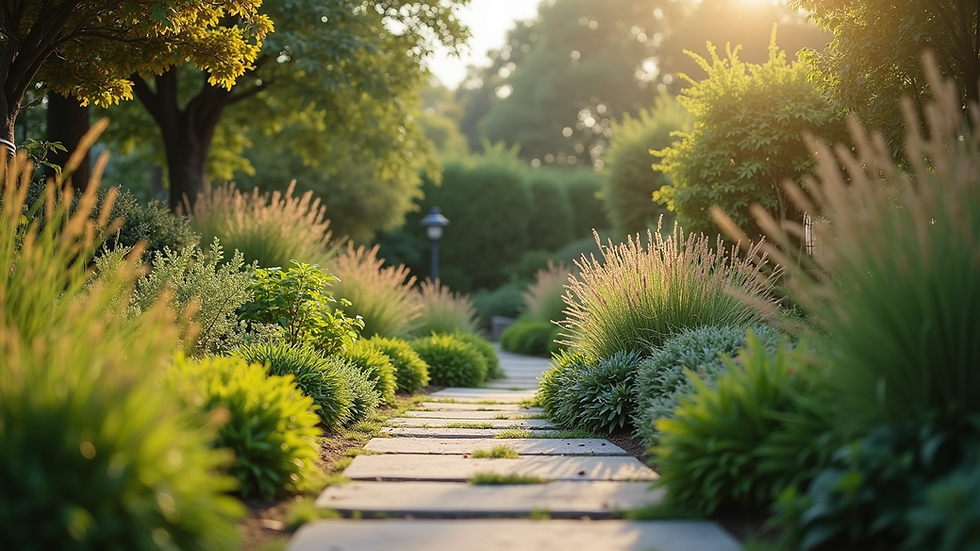
A winding stone pathway that leads through a lush garden can create a sense of adventure. The hardscaping guides visitors through the landscape, while the softscaping provides a sensory experience with various plants and flowers.
Retaining Wall with Vertical Garden
A retaining wall can serve as a backdrop for a vertical garden, combining hardscaping and softscaping in a unique way. This design not only adds visual interest but also maximizes space in smaller yards.
The Impact on Wellness
Mental Health Benefits
The combination of hardscaping and softscaping can significantly impact mental health. Spending time in nature has been shown to reduce anxiety, depression, and stress. Creating a peaceful outdoor environment can provide a retreat from the hustle and bustle of daily life, allowing for relaxation and reflection.
Physical Health Benefits
Engaging with your outdoor space can also promote physical health. Gardening, walking on pathways, or simply enjoying the fresh air can encourage physical activity. Studies have shown that regular outdoor activity can improve cardiovascular health, boost the immune system, and enhance overall well-being.
Social Benefits
A well-designed outdoor space can foster social connections. Whether hosting a barbecue on your patio or enjoying a quiet moment in your garden, these spaces can bring people together. Social interactions are vital for mental health, and creating inviting outdoor areas can encourage gatherings with family and friends.
Conclusion
Incorporating both hardscaping and softscaping into your outdoor design can lead to numerous benefits for your wellness. From improved air quality and stress reduction to increased property value and functional spaces, the advantages are clear. By thoughtfully combining these elements, you can create a balanced environment that enhances your mental and physical health.
Take the first step towards transforming your outdoor space into a wellness sanctuary. Consider what elements resonate with you and how you can integrate them into your landscape design. Your well-being deserves a beautiful and functional outdoor space.

Comments